Lynch Farm
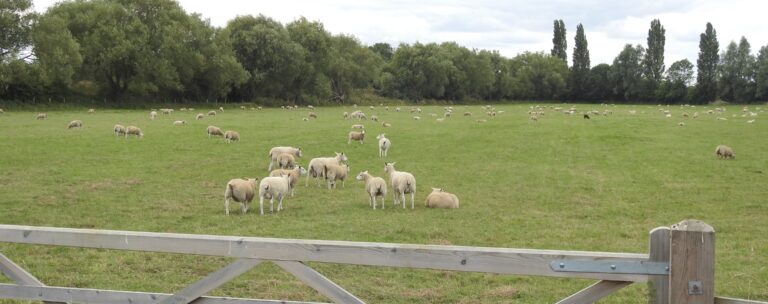
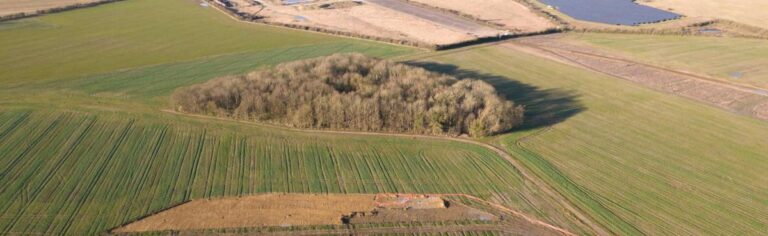
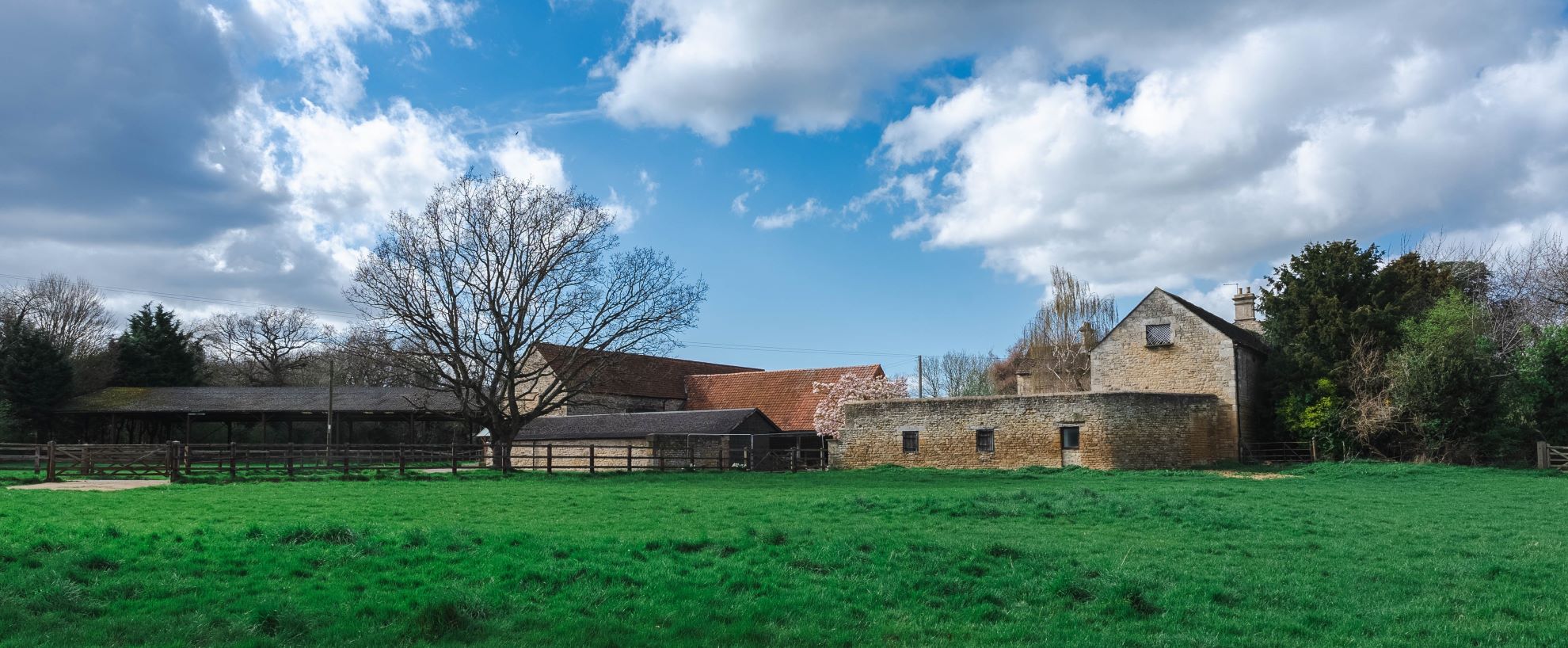
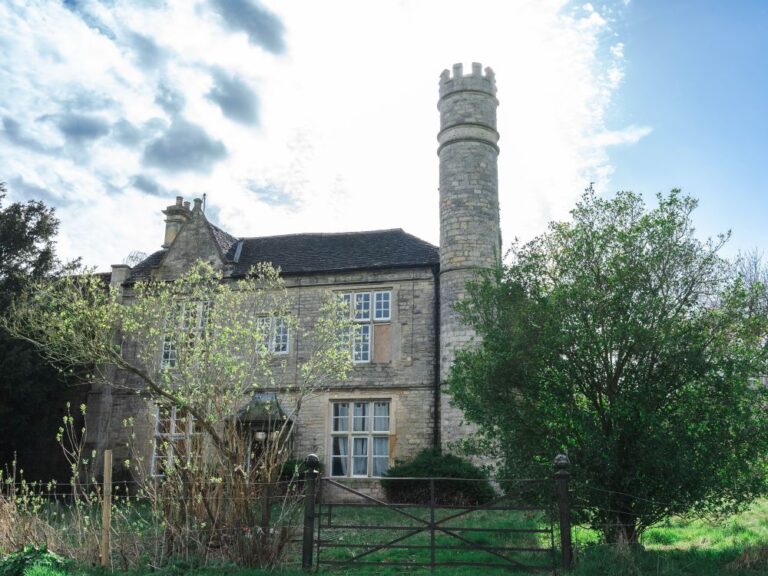
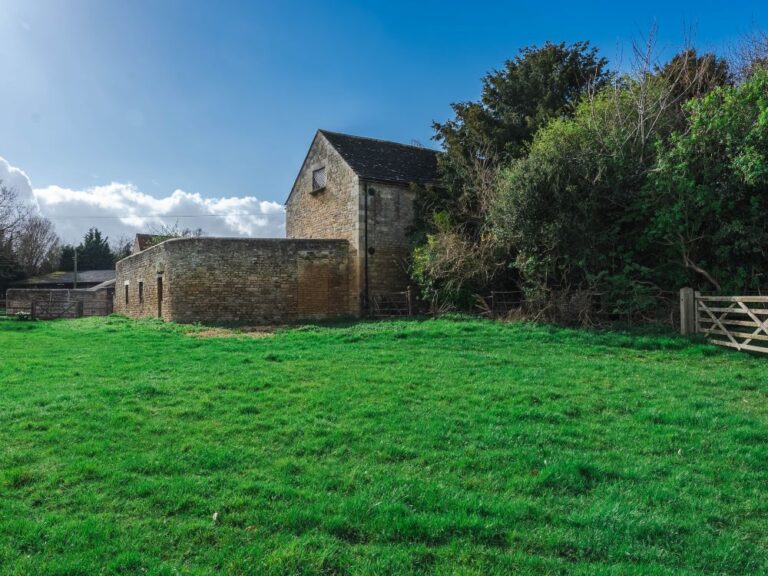
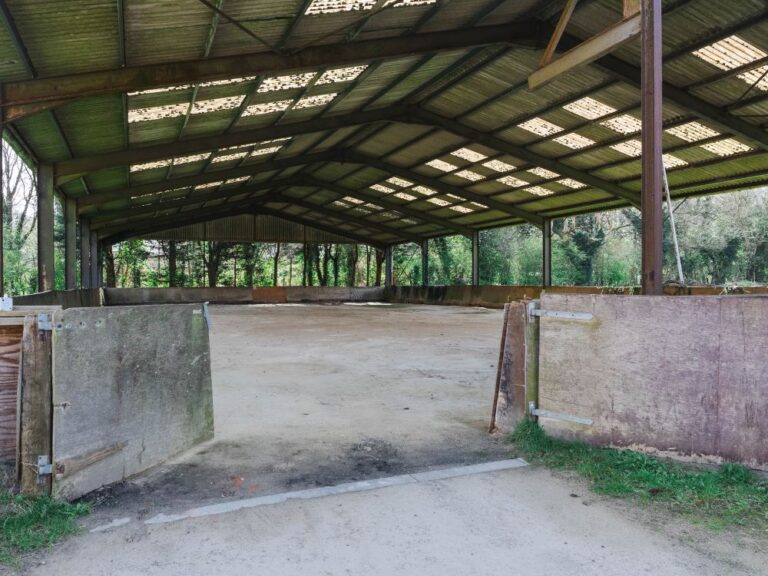
Lynch Farm is a hidden gem, a Grade II listed farmhouse and outbuildings on the edge of Ferry Meadows Country Park in approximately 7 acres of paddocks and green space. For 50 years, there was a riding school on this site, run by tenants. Now that they have retired and the riding school closed, we are working on a plan to bring the site back into community use.
Nene Park Trust has a long-term vision to:
- Provide a community space unique to the area
- Support local business and tourism
- Create spaces that allow for education, creative endeavours and bespoke events
- To be financially sustainable with an innovative commercial offering
- Further our volunteering and well-being programmes
The plans intend to offer:
Our aim is to develop the whole of Lynch Farm as a multi-use site, making maximum use of spaces for different purposes and audiences:
- Securing the heritage of the listed building
- Year-round events programme for heritage, arts, culture and leisure
- Education and learning programme working with local partners
- Volunteer and community engagement
- Accommodation offers for schools and events
- Food and beverage offer
- Wedding, conferencing and event venue hire
- A garden space reflecting both heritage and well-being
A phased-approach to development
We want Lynch Farm to be open to the community as soon as possible, but we also don’t want to rush our final offer and take time to ensure we have the right mix of activity and the funding in place to ensure the buildings and land are cherished for years to come.
We are approaching the offer in phases, providing opportunities for the local community to start using Lynch Farm while we work to progress our plans and gain the necessary permissions for a longer-term offer.
Phase 1 – Interim Uses: Education, camping and dog paddock
Our plan is to use a section of the site to run an enclosed dog exercise field and the rest of the site for an education offer. The education offer will be a mix of regular groups, schools and uniformed groups e.g. Scouts and Guides and include camping. The green light to progress phase one plans for the Lynch Farm site was granted in November 2025.
Phase 2 – Listed Building Consent and Change of Use for Events
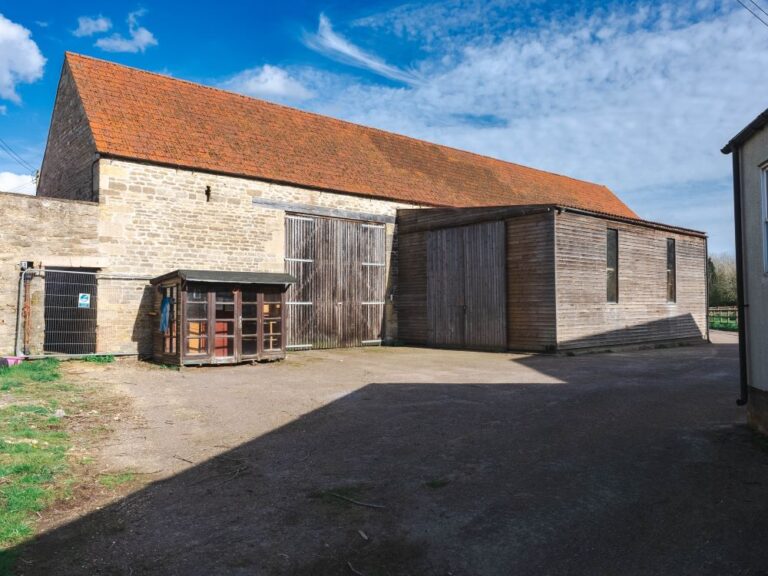
We will be seeking permission to hold a variety of site appropriate events e.g. outdoor theatre, Family Easter event in the outdoor spaces. The large stone barn has great potential to be a community asset for people to hold fundraising events, conferences, weddings and smaller music and theatre performances.
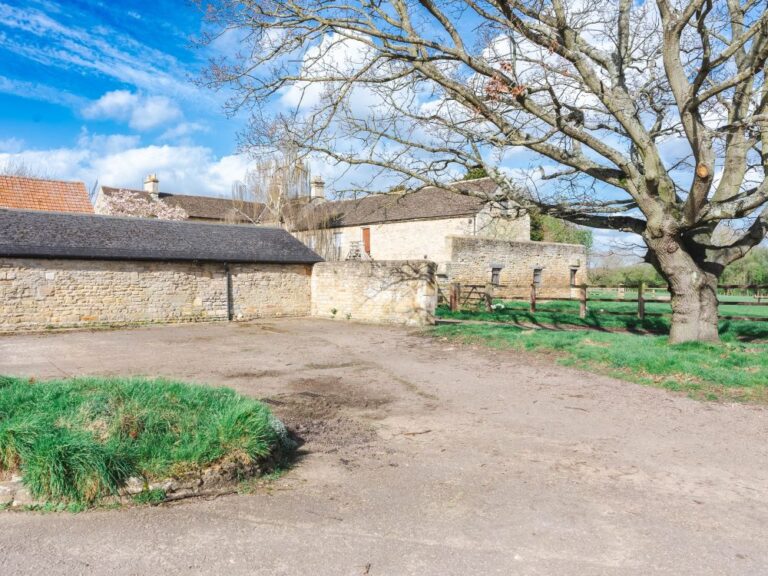
We need to undertake work to the barn to secure this historic asset and make it accessible and fit for purpose for the intended uses. Our intention is to use the outdoor courtyard space between adjoining stable blocks as part of the offer and providing a noise buffer for nearby residents.
Phase 3 – Long Term Use
Phase 3 will ensure the long-term sustainability and protection of the Grade II listed building and adjoining stable/barn. We want to take the local community on the journey with us delivering spaces that provide a unique offer for Peterborough; potentially including heritage, arts and education and allow Nene Park Trust to further our volunteering and well-being programmes.
We will be applying to the National Lottery Heritage Fund for funding to allow us to understand the complexities of using and preserving a building with heritage significance alongside providing a site that delivers both commercially and for the community. Community consultation, activity and events will be a key part of the process.
Our vision
Peterborough is a city where increased access to and participation in heritage can enrich the lives of many. We aim to restore Lynch Farm, securing its identity as a vibrant place where people of all abilities and backgrounds, especially young people, can discover their passions and become advocates for both natural and built heritage.
This project will create spaces and opportunities for people to connect with each other and the landscape, including the nearby Country Park. We are committed to ensuring that the project positively impacts the wildlife it supports and addresses our changing climate through sensitive and innovative restoration. Our goal is to build a model for the future that is both financially and environmentally sustainable.
Lynch Farm Project FAQs
We want to bring the whole site into community use, to complement our activities at Ferry Meadows.
This won’t happen overnight; the grade II listed building will require significant restoration and we want to ensure that this is both sympathetic to its history but also appropriate for the community and our charitable objectives. Our intention is to work with the current footprint of the site, utilising the buildings and ensuring the green space is maintained.
We are looking to provide a bookable (by the hour) dog field on the East of the site, to provide local dog owners with dogs who prefer off-lead time without the worry of other dogs approaching them. Up to two dogs will be welcome at any one time, with space for one car available on-site.
We would like to offer space and facilities for school and uniformed groups (e.g Scouts and Guides) to come for residential camping trips. This area will be to the north of the site and will provide 14 bell tents in place as well as space for ten pitch your own tents.
We are planning to widen the entrance to the site to 5 metres wide so that vehicles can pass each other.
A footpath will be created to join to the current path on Wistow Way to the east of the entrance to provide access to pedestrians.
We wanted to make sure we chose pursuits and activities that we could get up and running in a short space of time in order to keep the site live and prevent anti-social behaviour – there has already been some of this activity onsite meaning the windows of the house are now boarded up. These activities won’t run concurrently ensuring that the site has regular use but at a reasonable level.
We wanted to use this as an opportunity to really broaden the uses of the site so that community members beyond those in the riding community could start to engage with the space.
They were also chosen for having a relatively low impact on the surrounding residents when compared to the level of usage when the site was a riding school.
In order to have someone living on-site to run the riding school, the house requires a significant amount of restorative work to bring it up to today’s living standards. This, coupled with the rising cost of running riding schools (a recent study by the British Horse Society found that 250 riding schools have closed in the last 5 years) means that it would require extensive financial commitment without producing a corresponding level of income.
Our plan is for both the buildings and the land to provide opportunities for the local community that complement and expand our current activities at Nene Park Trust and therefore we are not looking to sell or rent the house, stables or fields.
The proposed parking onsite will be allocated to disabled users (4 spaces), as well as 20 spaces for families booked for education sessions, park staff (for maintenance) and 2 spaces (but only one car at one time) for the dog field. Therefore, the traffic to the site should be less in this short term than when the site was operating as a riding school.
Traffic and parking for the long-term use of Lynch Farm will of course be considered as part of the planning process where local residents and stakeholders will have the opportunity to offer their opinions and suggestions.
No changes apart from routine maintenance of the hedges, trees and ground vegetation will be occurring during the interim activity onsite. Full ecology surveys will of course be undertaken as a matter of course when any future changes are proposed to make the buildings fit for 21st century community use.