Climate and Conservation
We are proud of our rich diversity of wildlife habitats and are committed to ensuring these greenspaces are protected and improved, hand in hand with our commitment to climate action and sustainability.
Nene Park Trust is proud to manage land with a rich diversity of wildlife species that make their home here.
We recognise the important role we play in protecting their habitats and the wider environment and are committed to monitoring wildlife across our land to ensure these greenspaces remain important spaces for biodiversity. All data collected across the Park gets submitted to Cambridgeshire Biological Records Centre to feed into the county records. Find out more about some of our wildlife highlights here.
Wildlife Surveys
Butterflies
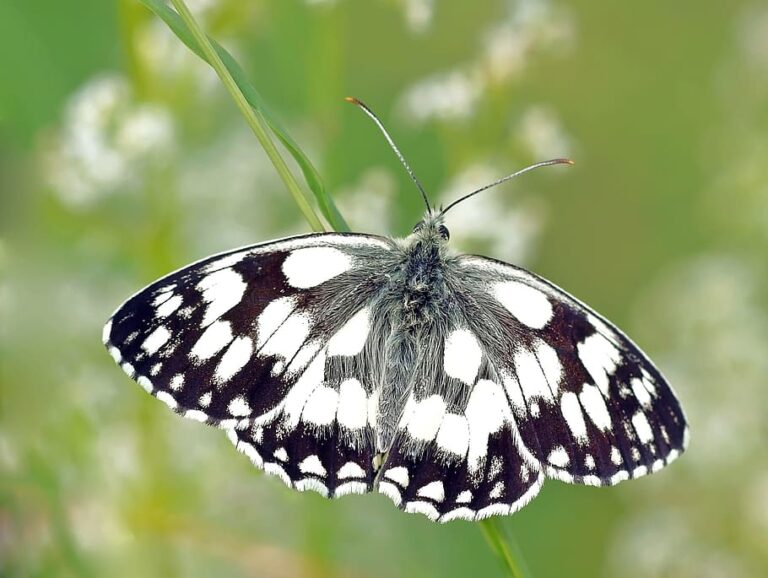
With relaxed mowing regimes in place and the increase in wildflower seed sowing over the last few years we have seen an increase in butterfly species to the Park (26 different species in 2025). These include Meadow Brown, Gatekeeper and Ringlet butterflies. Both Purple and White-letter Hairstreaks are scarce residents here and the beautiful Marbled White and tiny Brown Argus are more recent and welcome additions to the Park.
The Park is also home in summer to a good variety of both Dragonflies and Damselflies which can be seen in large numbers, particularly alongside the lake and riverbank footpaths. Five different transects are walked regularly from March to October, with data collected and fed into the UK Butterfly Monitoring Scheme, run by Butterfly Conservation.
Bees and Bumblebees
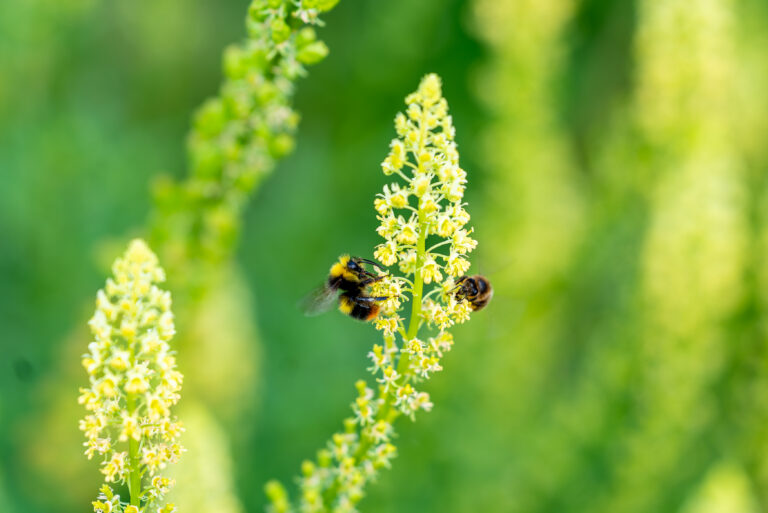
The same five transects are walked from March to October, with data collected and fed into the Beewalk Scheme run by the Bumblebee Conservation Trust. 14 species of bumblebees were recorded in 2025. Our new bee banks at Poppy Meadow and near Lynch Bridge have attracted solitary bees to nest and breed.
Birds
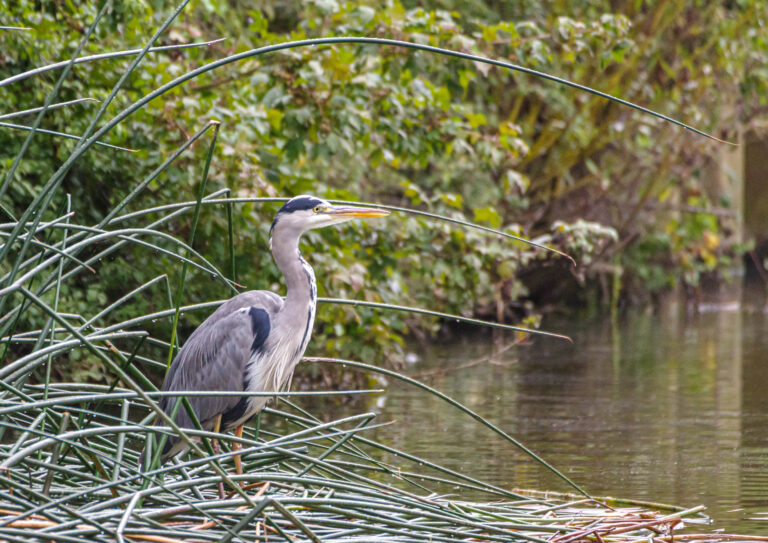
In 2025, we recorded 135 different bird species across Nene Park Trust land. Peterborough Bird Club carry out Wetland Bird Surveys (WeBS counts) throughout the year and submit the data to the British Trust for Ornithology (BTO). They also share the data with us for our records. We have seen an increase in different wetland birds since we carried out wetland meadow restoration on Heron and Goldie Meadows including Teal, Wigeon and Snipe. Other sightings on the meadows have included Little, Great and Cattle Egrets.
The assortment of habitats found at Nene Park, including the lakes and flood meadows, provide good feeding ground for the visiting water birds during the winter months as well as breeding grounds for other migrants such as Sand martins and Common tern in the summer months.
Wildflowers
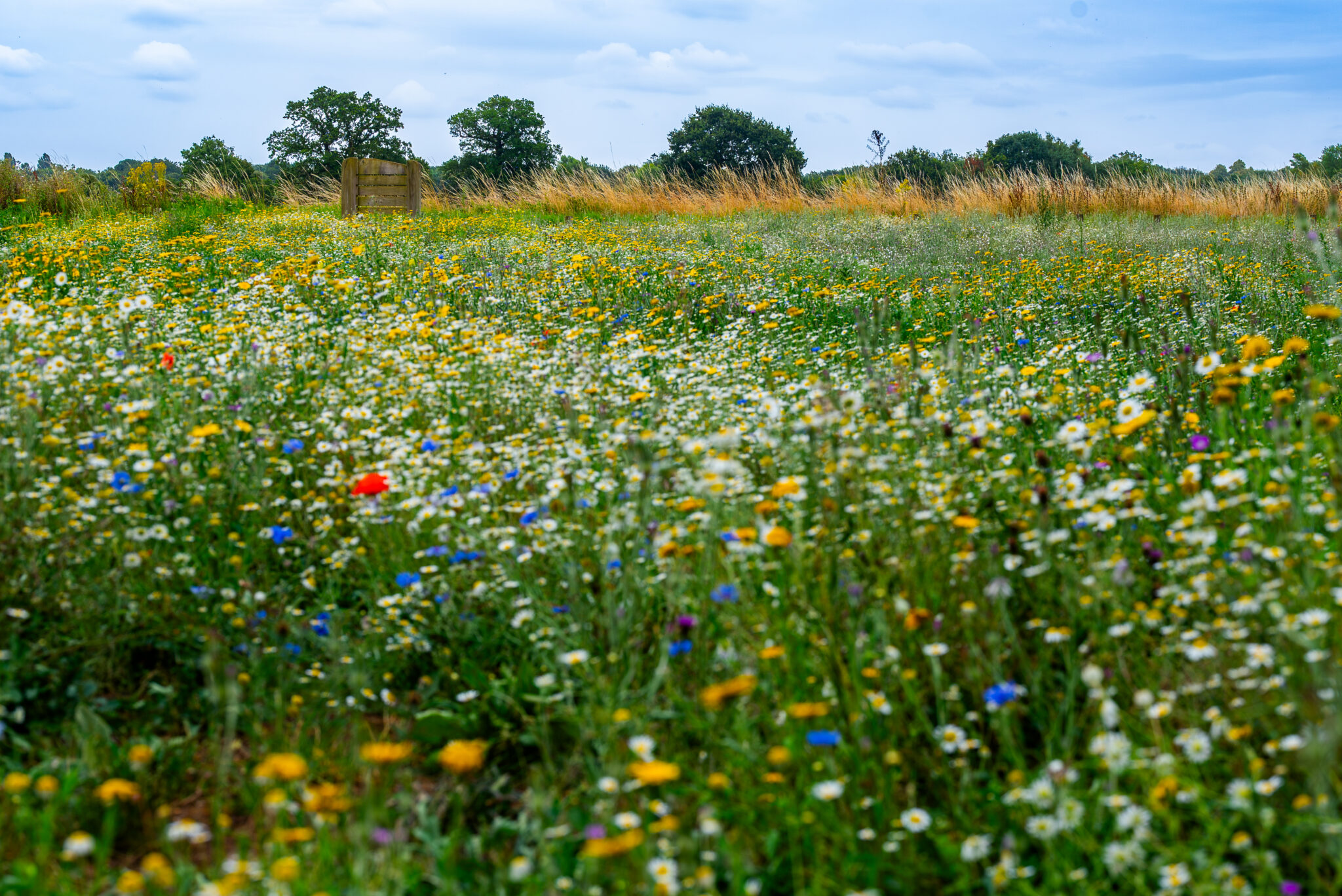
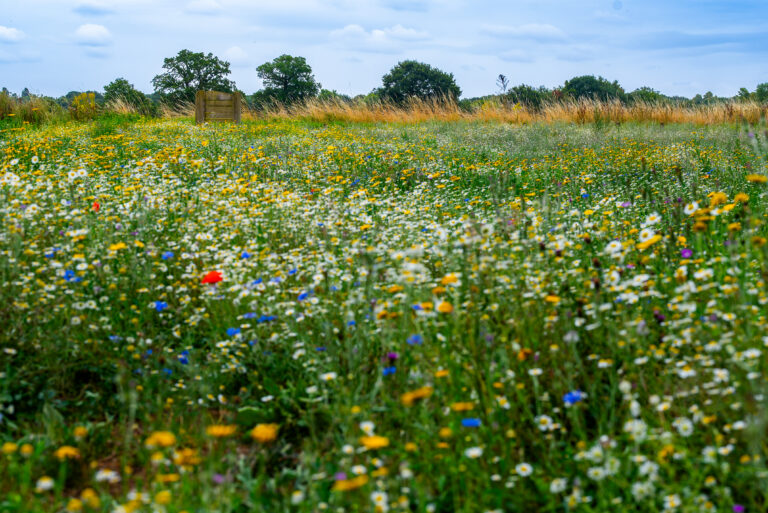
Wild flowers are monitored regularly and in 2025 we spotted 209 wildflower species and 50 different grass, rush and sedge species. More Park areas are being left uncut to allow more wild flowers to come through, and more areas are being managed specifically as wild flower or flood meadow. This also creates more habitat for pollinators. In the last few years we have sown wildflower seed on Poppy Meadow in Ferry Meadows, which has seen an increase of wildflower and insect species.
Climate Action
We are also committed to reducing our carbon footprint and support our teams, partners and tenants to work in a sustainable way.
We are committed to
- Becoming net zero by 2030 and are developing a plan to achieve net positive by 2040.
- Continue to reduce our consumption of energy, water and raw materials and generate our own renewable energy where possible for the heating, lighting and running of our buildings.
- Reducing, reusing and recycling waste.
- Replacing purchases with environmentally friendly alternatives where possible.
- Reducing the use of vehicles within the Park Team and encouraging visitors to access the Park sustainably via public transport, foot or by bike.
- Managing the landscape to maximise biodiversity.
- Choosing suppliers who have an environmental policy and accreditations.
- Measuring and monitoring our carbon footprint through our Investors in the Environment membership, where the Trust has received Green accreditation (the highest level).
- Encouraging visitors, volunteers and staff to share their views and play a full part in developing new ideas and initiatives to support this work.
In 2026 we want to
- Install batteries to complement our solar panels making sure more of the energy produced is being used for park activities and facilities.
- Work with other groups to improve sustainable transport across Cambridgeshire and install a bus stop to enable bus journeys to the park.
- Plant 2500m of hedgerow at our new farm at Eye.
- Increase secure cycle parking at Ferry Meadows.
- Provide a Biodiversity Net Gain offer to appropriate developers, enabling us to increase the land managed for wildlife across the Park and Rural Estate.
Green Projects
Reuse, Recycle… and Refill!
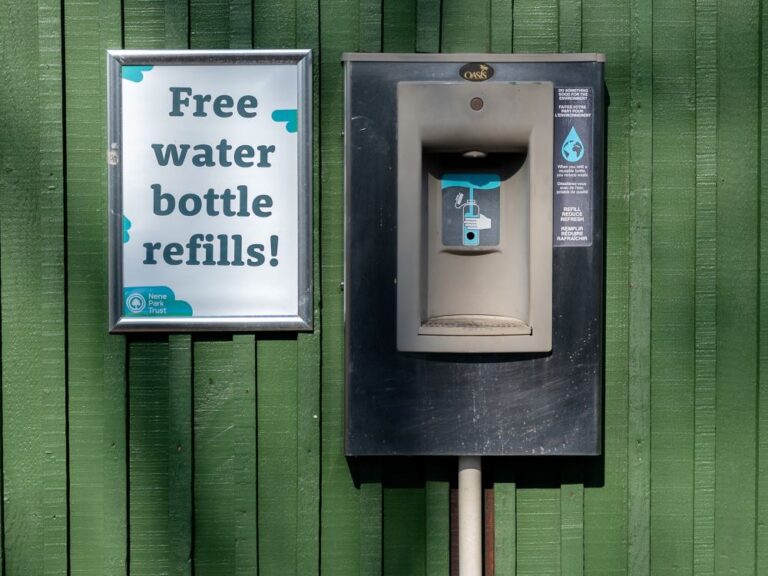
Providing refill water points for visitors using refillable bottles is one of our environmental objectives. We now have four water refill stations in Ferry Meadows, which can be found at:
- The toilet block by the main car park next to the Den
- Next to the entrance of Ferry Meadows café
- The side of Lynch Lake Community Hub
- The toilet block near Lakeside car park
Visitors can fill up their water bottles for free with fresh water in these locations, and sustainable and reusable water bottles can be purchased at our Visitor Centre if required. Watch out for more refill stations being added soon!
Our Cycling Rangers
Nene Park is based across a 1750 acres estate, with lots of different locations and buildings to manage.
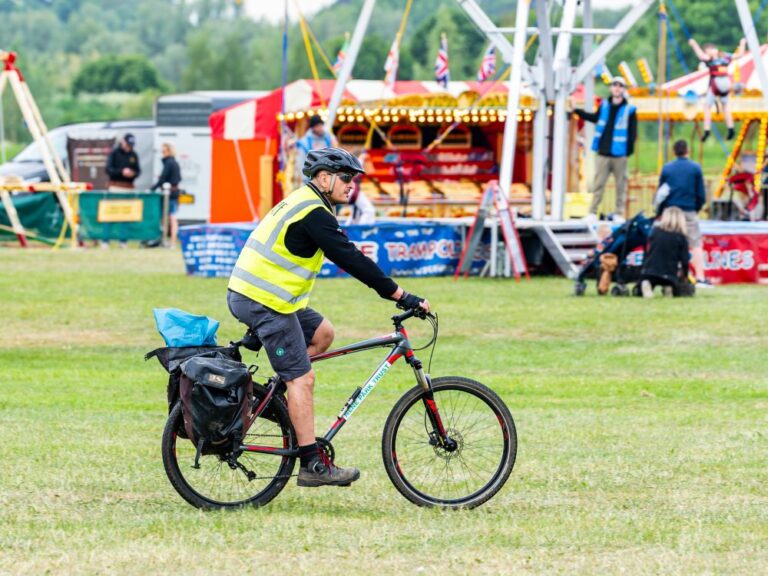
We have big environmental aspirations and have a target to be carbon neutral by 2030. Part of this is encouraging the team to use two wheels instead of four. We have five bikes available to staff to make their journeys around the Park, each has a cycle computer so we can track how many car miles we have saved.
We encourage all teams to pop on a helmet and jump on the saddle but currently the Ranger Team are leading the way, using the bikes to do the daily rounds when two of them are on duty and they don’t need too much equipment. To enable even greater use, you may soon see some cargo bikes around the park so that small jobs and deliveries can be undertaken without a motor vehicle saving even more carbon!